
When Do Wasps Become Aggressive?
- Nate Green

- Jan 1
- 13 min read
Wasps tend to become more aggressive in late summer and early autumn, particularly during the months of August and September pestdefence.co.uk. In the UK, this seasonal shift in wasp behaviour is well documented – as summer wanes, wasp colonies reach their peak size and their behaviour turns noticeably more hostile pestdefence.co.uk. If you’ve ever wondered when and why wasps get more aggressive (and what you can do about it), read on. This comprehensive guide explains seasonal wasp behaviour, why wasps become feisty late in the season, when to be cautious, and how to stay safe. We’ll also provide practical prevention tips, answer common FAQs about wasp behaviour, and clearly advise when it’s time to call a professional pest control service.
Quick answer: Wasps are usually most aggressive in late summer (August into early autumn), when their colonies are at their largest and their normal food sources dwindle, causing them to seek out sweet foods elsewhere – often bringing them into conflict with humans. In contrast, wasps are less of a nuisance in spring and early summer when they’re busy building their nests and feeding their young.
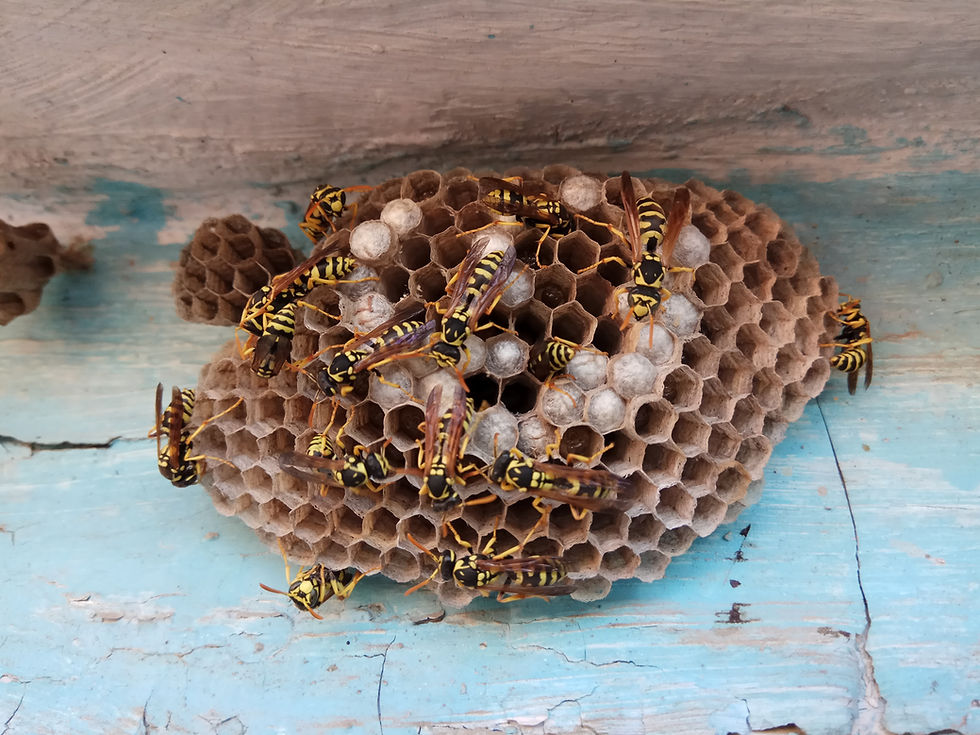
Seasonal Wasp Behaviour Throughout the Year
To understand when wasps become aggressive, it helps to look at their life cycle and activity through the seasons. Here’s an overview of wasp behaviour during the year in the UK:
Spring (March – April): As temperatures rise in spring, queen wasps emerge from winter hibernation and begin building new nests confirmakill.co.uk. At this stage, wasp activity is low and focused on nest founding – you might hardly notice them.
Early Summer (May – July): The queen lays eggs and raises the first brood of worker wasps. Throughout early and mid-summer, these workers busily expand the nest and hunt insects (like flies and caterpillars) to feed the growing larvae confirmakill.co.uk. Wasps are active now but not yet aggressive towards people – they’re largely preoccupied with gathering food for the colony. You may see wasps in your garden, but they’re mostly interested in other insects and sweet sap, not you.
Late Summer (August – September): This is when wasp behaviour takes a sharp turn. By late summer, wasp colonies are at their peak population (often thousands of individuals) confirmakill.co.uk. The queen stops laying eggs and leaves the nest to find a hibernation spot pestdefence.co.uk. With no new larvae to feed and no active queen to serve, the worker wasps are left idle and hungry, roaming further afield in desperate search of sugary foods pestdefence.co.ukconfirmakill.co.uk. As a result, wasps become much more aggressive in August and September, often crashing picnics and outdoor gatherings to scavenge sweets, fruits, and drinks. This is the time of year you’re most likely to have unpleasant run-ins with wasps.
Autumn (October – early November): Wasp aggression can continue into early autumn while the weather stays mild pestdefence.co.uk. However, as temperatures drop and cold weather sets in, the worker wasps die off and the colony collapses pestdefence.co.uk. By the first hard frost, usually only the new fertilised queens remain alive, each finding a place to hibernate through winter. Wasp season effectively ends by late autumn, and any wasps you see on a chilly October day will be sluggish and near the end of their life cycle.
Understanding this timeline is key: wasps are most troublesome in late summer, which is when you should be most cautious. Next, let’s explore why they become so aggressive during this period.
Why Do Wasps Become More Aggressive in Late Summer?
Several factors make wasps especially bad-tempered in late summer:
Colony Life Cycle Changes: In spring and early summer, worker wasps get sugary nourishment by feeding the colony’s larvae – in return, the larvae secrete a sweet substance that workers eat confirmakill.co.uk. Come late summer, the queen produces the last batch of offspring (including next year’s queens and male drones) and then stops laying eggs confirmakill.co.uk. Suddenly, there are no larvae, so the workers lose their source of sugary reward. This leaves a lot of adult wasps with nothing to do and a sweet tooth to satisfy. The entire colony structure starts to break down once the queen departs, and worker wasps become unruly.
Hunger for Sugar: Deprived of larval secretions, wasps start searching aggressively for sugar elsewhere confirmakill.co.uk. Late summer offers plenty of temptations – ripe fruits in orchards and gardens, open soda cans, ice creams, and picnic treats. Workers gorge on rotting, fermenting fruit which can actually intoxicate them (“drunk” wasps) and make them even more irritable confirmakill.co.uk. It’s not your imagination: a wasp buzzing around the cider or fruit bowl in August is more likely to sting with minimal provocation, partly due to this fermentation-fueled frenzy.
No Purpose & Heightened Defensiveness: Earlier in the season, wasp workers have a clear purpose (expanding the nest and raising young) which channels their energy. By late summer, they have no colony duties left, leading to erratic behaviour. They roam widely and can turn aggressive without warning, even when you haven’t obviously threatened them pestcontrolberkshire.com. You could be minding your own business in the garden and still get stung by a wasp that’s hyped up on fermented juice or simply “in a mood.” The British Red Cross has warned that the risk of wasp stings is highest from late summer into early autumn when these older worker wasps have nothing to occupy them pestcontrolberkshire.com. In essence, bored, hungry wasps = trouble for anyone nearby.
Peak Numbers: Late summer means peak wasp populations. A single nest can house thousands of wasps by August confirmakill.co.uk. With so many workers out foraging, the chance of crossing paths with a wasp (or several) is much higher now. More wasps also means bolder behaviour – they’re competing for limited food sources (like that one open fizzy drink on your table), which makes them more likely to fight (and sting) to get it. If you’ve ever noticed wasps seemingly everywhere in August, this sheer abundance is why.
In summary, late summer flips a switch in wasps: they go from relatively controlled colony workers to sugar-crazed free agents. During this time, wasps will be quicker to sting and less predictable. Understanding this can help you take extra care when late summer rolls around.
When to Be Cautious Around Wasps
Late summer and early autumn are the primary danger times for wasp aggression. Here are specific times and situations when you should be especially cautious:
Peak Wasp Season (August – October): As described, August and September are the high-risk months for aggressive wasp encounters. Be vigilant during outdoor activities in these months – expect wasps at barbecues, picnics, pub gardens, or anywhere food and drinks are about. The risk can continue into warm October days, until the first frosts knock back the wasp populations. If you have a wasp allergy, consider avoiding sugary outdoor foods or keep an EpiPen handy during this season, and be very alert to wasp presence.
Near Wasp Nests (Anytime): Never approach or disturb a wasp nest at any time of year without proper precautions. Wasps are extremely territorial around their nest and will swarm and attack if they perceive a threat to their colony. Something as simple as lawn mowing near a hidden nest can trigger an aggressive response. If you notice wasps flying in and out of a particular spot (ground, wall cavity, shed, loft, etc.), that signals a nest – keep well away and do not knock or poke at it. Nests tend to be largest and most active by late summer, but even a small spring nest can provoke multiple stings if disturbed.
Outdoor Food & Drink: Be cautious when eating or drinking sweet things outdoors, especially in late summer. Wasps are attracted to sugary sodas, juices, ice lollies, fruit, and even beer or cider. A common scenario is a wasp climbing into a fizzy drink can unnoticed – and stinging someone’s mouth when they take a sip (a very dangerous situation). To avoid this, keep drinks covered and use clear cups if possible, cover food dishes, and check everything before you sip or bite. Also take care around rubbish bins in parks or at home – wasps love to swarm bins that contain food remnants. Keep your outdoor bins tightly shut to reduce this attraction confirmakill.co.uk.
Early Morning or Evening: Wasps are less active in cooler temperatures and at night. In the very early morning or late evening, wasps at the nest are relatively sluggish. Some professionals take advantage of this calmer period to treat or remove nests safely. However, do NOT assume a wasp won’t sting you at dusk or dawn – if you blunder into a nest or irritate a wasp even at these times, they can still attack. Always maintain respect for wasps’ space regardless of the hour.
Signs of Agitation: Individual wasps actually give some warning signs before they sting. A wasp that feels threatened may fly in a zigzag pattern around you, or bump into you as a warning. If you notice a wasp acting agitated – or a few wasps gathering around – back away calmly. Multiple wasps showing interest in you could mean you’re near their nest or they smell food on you. Either way, it’s time to retreat indoors or to a safe area.
Remember, wasps don’t attack at random – there’s usually a reason, even if it’s not obvious to us. By staying alert during high-risk times and avoiding known triggers, you can greatly reduce the chances of a sting.
Tips for Wasp Prevention and Safe Handling
While you can’t eliminate wasps from the environment (and remember, they do play a role by eating garden pests), you can take steps to prevent attracting wasps and handle encounters safely. Here are some practical tips:
Secure Bins and Remove Attractants: Keep rubbish bins tightly sealed and empty them regularly confirmakill.co.uk. Rinse out bottles, cans, and food containers before putting them in the recycling – lingering sugary residues will draw wasps. If you have fruit trees, clear away fallen fruit from the ground frequently, as fermenting fruit is a wasp magnet pest-protect.co.uk. Compost heaps can also attract wasps; cover them with soil or a lid.
Cover Food and Drinks Outdoors: When dining outside (in your garden or on a picnic), cover all foods and drinks. Use lids on cups and keep soda cans in hand or capped. Wasps are strongly attracted to sweet, fruity, or meaty aromas – so things like fizzy drinks, juices, fruit salads, and BBQ meats are all inviting to them. Keeping these covered will reduce the scent and the chance of wasps crashing your meal. Pro tip: Serve drinks in clear glasses rather than cans or bottles, so you can spot a wasp before taking a sip.
Avoid Strong Scents and Bright Floral Patterns: Sweet perfumes, colognes, or scented lotions can lure wasps, thinking you might be a big flower. If you’re in a wasp-prone area, consider using unscented products. Likewise, bright floral-printed clothing might catch a wasp’s eye (they do investigate flowers for nectar). This isn’t a huge factor, but if wasps are really bothering you, it can help to dress in muted colours and avoid strong artificial fragrances during peak wasp season.
Stay Calm Around Wasps: If a wasp is flying near you or even lands on you, do not panic or flap your arms. Sudden movements can alarm the wasp and make it more likely to sting confirmakill.co.uk. Instead, remain still or move very slowly and gently. Often the wasp will sniff around and then fly off once it determines you’re not food or a threat. Never swat at a wasp – swatting can agitate it and any nearby wasps. In fact, crushing a wasp can release an alarm pheromone that incites other wasps to attack pest-protect.co.uk, essentially painting a target on you. Staying calm may be hard if you’re scared, but it really is the best strategy to avoid escalating the situation. Take deep breaths and ease away slowly.
Keep Windows and Entrances Secure: During late summer, it’s common for wasps to wander indoors. To prevent unwelcome visitors, use screens on windows or keep windows closed during the day if possible, especially if you live near woods or orchards. Check for any gaps in roof eaves, vents, or attic spaces where wasps might enter or even build a small nest. Seal any holes or cracks in house exteriors (when wasps aren’t active there) to block potential nest sites confirmakill.co.uk. If a wasp does get inside, try to coax it out gently by turning off indoor lights and opening a window (wasps are attracted to light and will head toward the open air). Avoid smashing it; use a glass-and-paper trap method if needed to catch and release.
Don’t Attempt DIY Nest Removal: As a rule, do not try to remove or destroy a wasp nest on your own. This is one of the most dangerous things you can do with wasps. A disturbed wasp colony can result in dozens of stings in seconds, which is life-threatening especially if you’re allergic or if they target the face. Wasp nests should be dealt with by professionals who have the proper protective gear and insecticides. We’ll cover more on this below, but consider this tip part of “handling safely” – the safest way to handle a wasp nest is not to handle it at all and call in experts instead.
By following these preventative measures and safe handling tips, you can significantly reduce your risk of painful stings and wasp problems. However, if wasp activity around your home is high or you’ve found a nest on your property, the smartest and safest option is to involve a professional pest control service.
When to Call a Professional Pest Control Service
There are times when calling in a professional wasp control service is not only wise, but necessary for safety. Here’s when you should pick up the phone to GEM Services (Ashford, Kent) or your local pest controller:
Wasp Nest on Your Property: If you discover a wasp nest in or near your home, do not attempt to deal with it yourself. Nests can often be tucked away (in lofts, wall cavities, sheds, under roof tiles, underground in flowerbeds, etc.), and disturbing them can unleash a swarm of aggressive wasps. Professional technicians have the training, protective equipment, and specialist treatments to remove or neutralise the nest safely. They know how to approach a nest calmly and use the right insecticides to eliminate the colony with minimal risk. Our team at GEM Services specialises in fast, safe wasp nest removal across Ashford and all of Kent. We can typically treat a wasp nest in one short visit, ensuring the wasps are eradicated without endangering you or your family.
High Wasp Activity / Can’t Find the Nest: Sometimes you might have lots of wasps around but not know where they’re coming from. This can be just as dangerous, since a hidden nest on your property means you could accidentally provoke them. If you see constant wasp activity (dozens of wasps) in your house or garden, it’s a good sign there is a nest nearby. In this case, call professionals to inspect and locate the nest. Pest control experts can identify wasp pathways and nesting signs that an untrained person might miss pestdefence.co.uk. Don’t wait until someone gets stung; let experts handle it.
Allergies or Special Concerns: If you or a family member has a known allergy to wasp stings, you should be extra cautious. Even one sting could trigger a severe reaction (anaphylaxis). In such cases, do not take any risks – at the first sign of a wasp infestation or nest, call a pest control service. The cost of professional removal is well worth avoiding a medical emergency. Similarly, if a wasp nest is near a school, play area, or high-traffic public area, professional removal is the responsible choice to prevent accidents.
Peace of Mind: Finally, there’s no substitute for the peace of mind that comes with a professional job. Wasp exterminators can ensure the entire nest (and any secondary nests) are properly dealt with. They also have access to industrial-strength treatments that are effective and safe when used correctly. At GEM Services, our technicians not only eliminate the immediate wasp problem, but can give advice on preventing future nests on your property. As a local pest control business based in Ashford, Kent, we pride ourselves on prompt, friendly service and have expert knowledge of native UK wasp species and their habits gemservices.uk. In short – when in doubt, call the experts out!
Remember: Wasps can be dangerous in numbers. It’s always better to be safe and let professionals handle a serious wasp issue. We have the proper suits, sprays, and experience to do the job quickly and effectively, so you don’t have to put yourself at risk.
Frequently Asked Questions about Wasp Behaviour
Q: What month are wasps the most aggressive?A: In the UK, wasps are typically most aggressive in August and September. Late summer is when their colonies are largest and their natural food sources (like sap and insect prey) run low, so wasps start seeking sugary foods from other sources pestdefence.co.uk. This period makes them extra bold and irritable. You might still encounter aggressive wasps in early autumn (through October) if the weather stays warm, but by November most wasps will have died off as cold temperatures set in pestdefence.co.uk.
Q: Are wasps active at night, or do they calm down after dark?A: Most wasps are inactive at night. Wasps are daytime (diurnal) insects – after sunset, they retreat to their nest and become fairly sluggish. They don’t fly or forage in the dark. This means wasps are rarely aggressive at night unless their nest is disturbed. (If you were to bang on a wasp nest at night, you would certainly still get stung!) For practical purposes, nighttime is the safest time as wasps are resting then. In fact, professional pest controllers often treat nests very early in the morning or at night when wasps are all inside and calm. However, be cautious around any nest even at night, and don’t assume a wasp won’t sting just because it’s dark – if you shine a light on a nest or make them feel threatened, they can wake up and defend their home.
Q: Can I remove a wasp nest myself, or should I always call a professional?A: It is strongly recommended to call a professional for wasp nest removal rather than attempting it yourself. Removing a wasp nest is dangerous because wasps will aggressively defend their colony. Without proper protective gear (and an understanding of the wasps’ behaviour), a DIY attempt could result in multiple stings. Additionally, household sprays or knock-down attempts often fail to kill the entire nest. Killing one or two wasps near the nest can even make things worse – a dying wasp releases alarm pheromones that rally others to attack pest-protect.co.uk. Pest control professionals know how to neutralise the nest quickly and thoroughly, usually by applying specialized insecticide dust/powder into the nest entrance. This eradicates the wasps with minimal commotion. Unless the nest is very small and you have training, it’s safest to leave this task to experts. Your safety is worth it! (Plus, a pro can ensure the wasps don’t come back by removing the nest or treating the area.)
Stay Safe from Wasps – Contact GEM Services for Help
Wasps may be a part of nature’s balance, but that doesn’t mean you have to live in fear of them on your property. By understanding when wasps become aggressive and why, you can plan accordingly and take precautions during the late summer wasp season. Remember to stay calm around wasps, secure your food and bins, and avoid actions that provoke them. Most importantly, know when to call in professional help.
GEM Services is here to keep you safe from stinging pests. We are based in Ashford and serve all of Kent, offering expert wasp nest removal and pest control with a friendly, professional approach. If wasps are becoming a nuisance or you’ve spotted a nest, don’t hesitate to let us handle it. Enjoy the rest of summer without the worry of wasp stings!
👉 Contact GEM Services today for fast, safe wasp nest removal. We’re just a phone call away – call 07400 372 204 – and ready to help you reclaim your home or garden from aggressive wasps. Let our experienced technicians take care of the problem so you can have peace of mind. Stay safe, and say goodbye to those pesky wasps with GEM Services on your side! gemservices.uk


Comments