
Published 26 October 2026
Are Rats in Kent Getting Bigger? Super Rats Explained
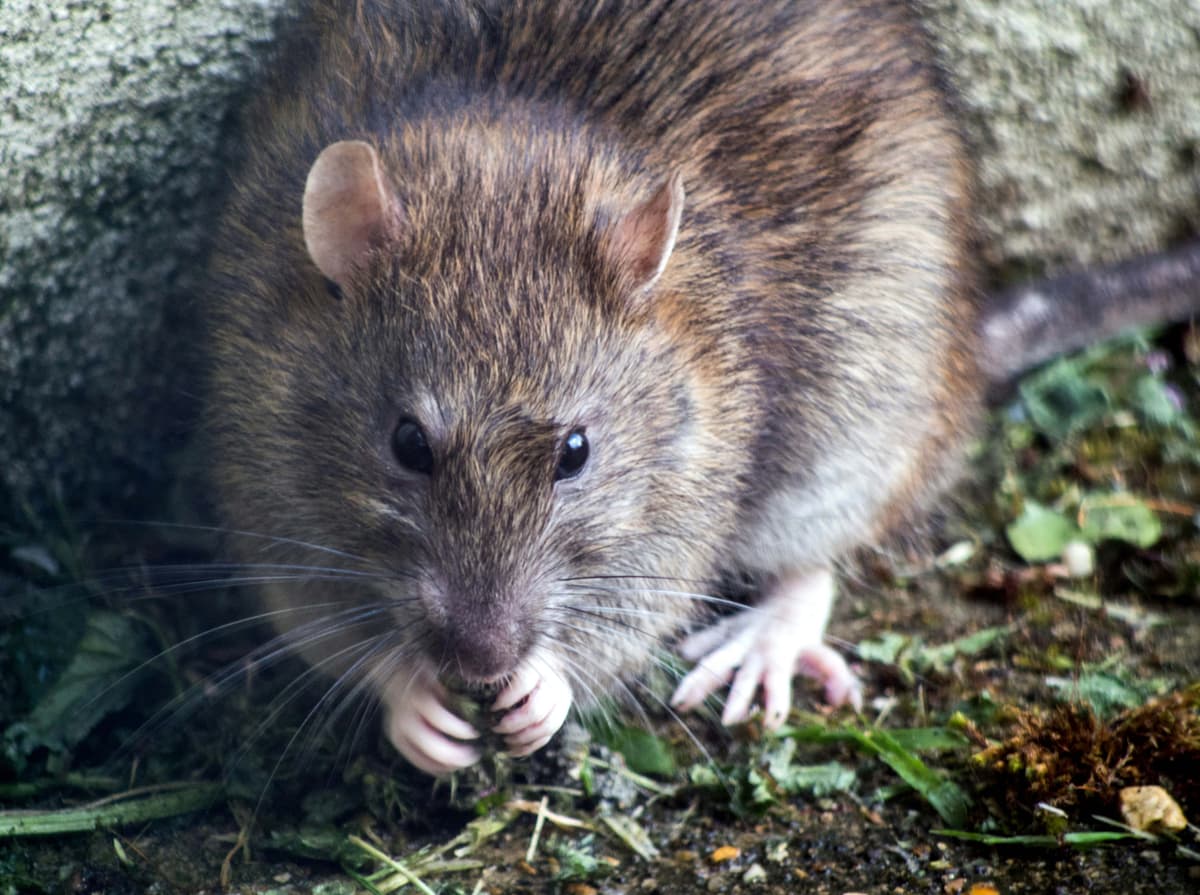
Stories about supersize rats in Kent are usually about a single large animal rather than a measured change in the rat population, and a rat photographed close to the camera looks far bigger than it really is. The phrase "super rat" more often refers to something real: rats that carry a genetic resistance to some common rat poisons. A resistance mutation of this kind was recorded in rats from a farm site in Kent in a study published in 2010. For a household, a big rat is still an ordinary brown rat, and resistance changes which treatment works rather than whether the problem can be dealt with.
Are rats in Kent getting bigger?
Claims that rats in Kent are getting bigger usually come from photographs or sightings of one large rat, not from any measurement of rats across the county. The rat found around homes and gardens in Kent is the brown rat, the same species found across the rest of the UK. An individual brown rat grows larger when it has an easy, steady food supply, so a well-fed adult living near bins, bird feeders or compost can look noticeably bigger than a younger rat. A single large rat says something about that rat's food supply, not about the rat population as a whole.
How can you recognise an adult brown rat?
An adult brown rat is a heavy-bodied animal with a blunt nose, small furry ears and a thick, scaly tail that is shorter than its head and body together. The fur is usually grey-brown on the back and paler underneath. A young brown rat can be mistaken for a mouse, but a young rat has a larger head and feet in proportion to its body, while a house mouse has large ears, a pointed face and a thin tail. Rat droppings, about 10 to 14mm long, are also much larger than mouse droppings, which are about 3 to 6mm.
Why do some rats look so big?
A rat often looks bigger than it really is because it is seen briefly, in poor light, or close to a camera lens. Photographs held towards the camera, or taken with the rat in the foreground, make any animal look much larger than one at a distance. A rat with its fur fluffed up, or a rat seen next to something small, can also give a misleading impression of size. The size of one rat is rarely the useful question, because the number of rats and where they are getting in matter far more.
What is a super rat?
A super rat, in the sense used by pest controllers and researchers, is a rat that carries a genetic mutation making it resistant to some anticoagulant rodenticides, a widely used type of rat poison. Anticoagulant rodenticides work by stopping the blood from clotting, and certain mutations allow a rat to survive doses of particular products that would kill a rat without the mutation. Resistance is about which poison a rat can survive, not about the rat's size or strength. A resistant rat looks exactly the same as any other brown rat.
Are poison-resistant rats found in Kent?
Poison-resistant rats have been found in Kent. A peer-reviewed study published in 2010 reported that rats tested from a farm site in Kent, where one common rodenticide had failed, all carried a resistance mutation known as Y139F, which had not been recorded in the UK before. The study found that the mutation gives rats resistance to some older rat poisons and to at least one of the stronger products in wide use. Resistance varies from place to place, so a rat in one Kent garden may carry a resistance mutation while a rat elsewhere in the county does not.
Does a bigger rat mean a bigger rat problem?
A bigger rat does not by itself mean a bigger rat problem, because the size of one rat reflects its age and food supply rather than the number of rats nearby. The signs that point to a larger rat problem are fresh droppings in several places, gnawing in more than one area, burrows around the garden, and rats seen during the day, which can mean competition for food or shelter. Scratching in the walls, the loft or beneath the floor at night suggests that rats have got into the building itself. Any rat seen regularly near a house is worth acting on, whatever its size.
Why does shop-bought rat poison sometimes fail?
Shop-bought rat poison sometimes fails because the rats are resistant to the active ingredient, but resistance is only one of several reasons. Rats are wary of new objects, so bait placed away from their regular routes can be ignored for days. Plenty of other food nearby, such as bird seed or pet food, gives rats little reason to eat bait at all. Loose poison also carries a risk to pets and wildlife, which the guide on rats and dogs covers for households with a dog.
How do you get rid of a large rat near your home?
Getting rid of a large rat near your home starts with reducing what is attracting it and finding out whether it has a way into the building. Take in or secure pet food and bird seed, keep bins closed, and clear clutter and overgrown areas beside the house, where rats shelter. Check the outside of the building for gaps around pipes, damaged air bricks and broken drain covers. GEM Services, a BPCA member, surveys the property, chooses a treatment suited to the rats present and proofs the entry points. Same-day visits are sometimes possible, depending on the diary. The rat control service page explains the treatment, and the next step is to request a quote.
Need professional pest control?
GEM Services, a BPCA member company, treats pests in homes and businesses across Kent and East Sussex, with a free, no-obligation quote before any treatment starts.