
Published 2024-07-20
Flea Bites vs Bed Bug Bites
Work out which insect is biting by looking at the pattern of the bites. Learn to tell the difference between flea bites and bed bug bites so you can apply the correct treatment.
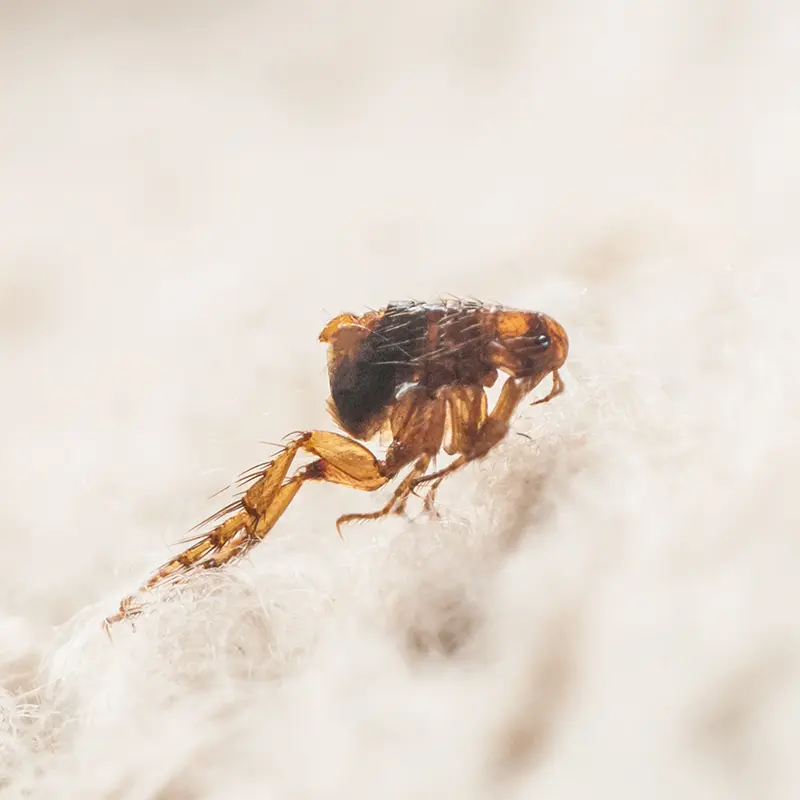
Identifying Flea Bites
Flea bites typically occur around the lower legs, ankles, and feet because these jumping insects reside in carpets or on pets close to the floor. The bites often appear as small, red, intensely itchy bumps surrounded by a red halo. They are usually completely random in their placement and rarely form distinct patterns, although you may find clusters in areas where socks or tight clothing restrict the insect.
Identifying Bed Bug Bites
Bed bugs feed while you sleep, aggressively targeting exposed skin on the upper body, such as the neck, face, arms, and shoulders. Their bites frequently appear in a distinct line or zig-zag pattern of three to four welts (often called 'breakfast, lunch, and dinner'). These bites are typically larger, flatter, and raised, taking several days to fully develop their intense itching sensation.
Need Professional Fleas Help?
If you are dealing with fleas, do not wait for the problem to get worse. GEM Services, a BPCA member company, treats them across Kent and East Sussex.
Professional Treatment Differences
Because the biological behaviour of these two insects is completely different, applying standard bug bombs will fail. Bed bugs require intense chemical crack-and-crevice treatments targeting bed frames and skirting boards, while fleas demand comprehensive carpet insecticidal growth regulators combined with veterinary pet treatments.
Frequently Asked Questions
Q: Why am I getting bitten but my partner isn't?+
Insects are drawn to body heat, exhaled carbon dioxide, and specific blood types. Additionally, some people have zero allergic reaction to bed bug saliva, meaning they are being bitten but show absolutely no physical marks.
Q: Can I bring bed bugs home from work or hotels?+
Yes. Bed bugs are exceptional hitchhikers. They easily attach to luggage, coats, or bags and heavily infest domestic properties within mere weeks.
Need Professional Fleas Help?
If you are dealing with fleas, do not wait for the problem to get worse. GEM Services, a BPCA member company, treats them across Kent and East Sussex.