
Pest Control in Tonbridge
Pest control in Tonbridge: GEM Services covers Tonbridge from our base in Ashford, for homes and businesses. The River Medway supports an active rat population along its banks and into properties near the water. Treatment is carried out by a technician from a BPCA member company, with a free, no-obligation quote before any treatment starts.
Pest control in Tonbridge at a glance
| Area covered | Tonbridge and the surrounding area, including Tunbridge Wells, Sevenoaks, Maidstone, Ashford |
|---|---|
| Based in | Ashford, Kent |
| Opening hours | 08:00 to 18:00, seven days a week |
| What determines the price | The pest, the size and type of the property, and how many visits the treatment needs. No call-out fee, and a free, no-obligation quote before any treatment starts |
| Who it is for | Homes and businesses. Domestic callouts and ongoing commercial pest management |
| Why pests turn up in Tonbridge | The River Medway supports an active rat population along its banks and into properties near the water. |
Pest control in Tonbridge
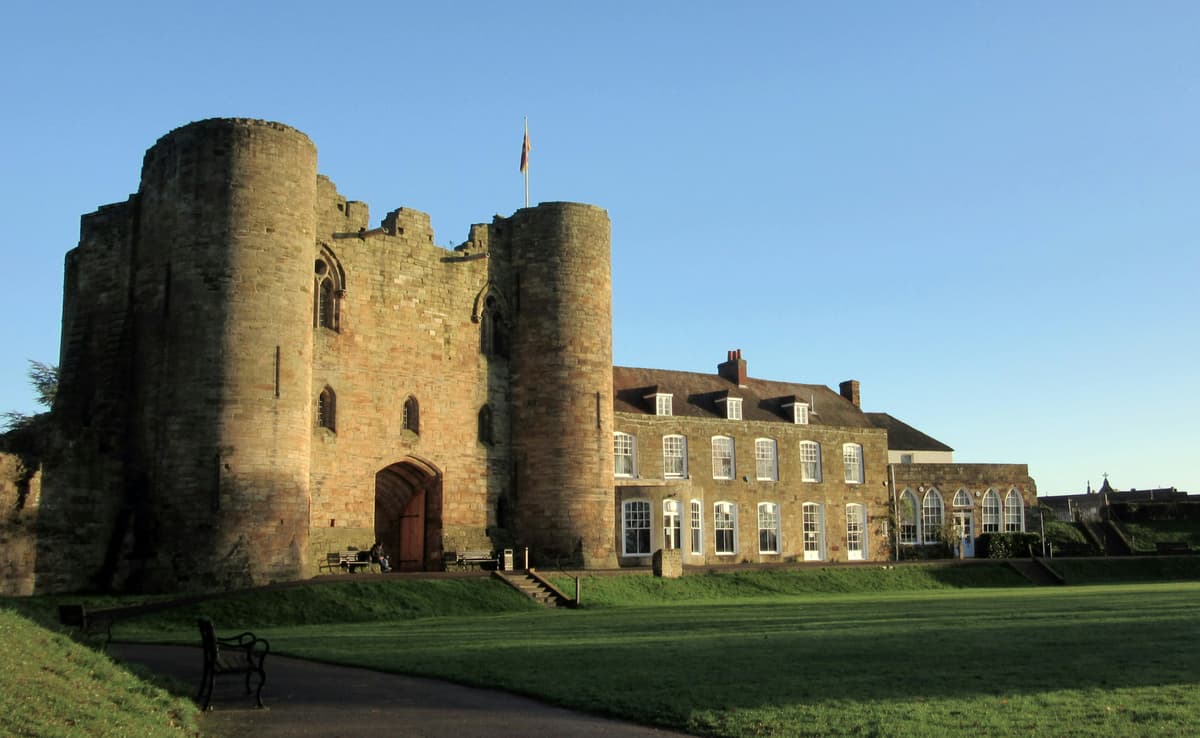
Tonbridge is a market town on the River Medway in west Kent, with the town centre clustered around the medieval castle and High Street. Residential areas spread north and south along the river valley. The River Medway supports an active rat population along its banks and into properties near the water. Periodic flooding pushes rodents into higher ground. The surrounding farmland and orchards attract field mice, wasps, and other rural pests into the edges of the town.
Common pest problems in Tonbridge
The most common callouts we attend in Tonbridge include rodent control, wasp nest removal, and insect treatments. Each pest requires a different approach. Follow the links below for details on how we treat specific problems in your area.
Properties we service in Tonbridge
Tonbridge has a compact town centre with older housing stock, surrounded by newer suburban development and rural villages. Properties along the Medway flood plain face particular challenges with damp and pest ingress.
Residential and commercial pest control
We treat homes and businesses across Tonbridge with the same level of care. For homeowners, we provide discreet, effective treatments. For businesses, we offer one-off treatments and ongoing pest management contracts to keep you compliant and pest-free.
If you run a food business, hotel, or retail premises in Tonbridge, a proactive pest management plan protects your reputation and keeps Environmental Health happy. Learn about our commercial services.
Where else GEM Services covers
Coverage runs out from Ashford across Kent and into East Sussex. There is no call-out fee: travel is built into the price, which matters most for the towns on the edges of the patch, where some firms quote for the travel as well as the work.
We cover Tonbridge and the surrounding areas, including Tunbridge Wells, Sevenoaks and Maidstone.
Pest control services in Tonbridge
GEM Services treats all 16 of the pests below in Tonbridge, for homes and businesses, from its base in Ashford. Calls are taken 08:00 to 18:00, seven days a week. GEM Services is a BPCA member, member ID 10736, with £10 million public liability insurance, and every job starts with a free, no-obligation quote before any treatment starts.
- Wasp Nest Removal in TonbridgeWasp and European hornet nest treatment, from £75.
- Rat Control in TonbridgeSurvey, baiting, monitoring visits and proofing of entry points.
- Mouse Control in TonbridgeInspection, baiting and trapping, then entry points proofed.
- Mole Control in TonbridgeMole trapping, with advice on repairing the lawn.
- Bed Bug Treatment in TonbridgeInspection, then at least two spray visits.
- Moth Control in TonbridgeClothes and carpet moth treatment, with pheromone monitoring.
- Flea Treatment in TonbridgeA spray for the home, alongside treatment of your pets.
- Bird Control in TonbridgeProofing and deterrents, after a site survey.
- Fly Control in TonbridgeThe breeding source found and removed, then treatment.
- Squirrel Removal in TonbridgeLoft trapping, with traps monitored by camera, then proofing.
- Cockroach Control in TonbridgeGel bait and spray to harbourages, then a follow-up visit.
- Ant Control in TonbridgeBait the workers carry back to the nest, and proofing advice.
- Silverfish Control in TonbridgeTreatment of damp areas, with advice on humidity.
- Carpet Beetles in TonbridgeLarvae treatment to protect wool carpets and textiles.
- Stored Product Insects in TonbridgePantry moths, weevils and flour beetles in food stores.
- Cluster Flies in TonbridgeLoft treatment of hibernating flies, and proofing advice.
When a Tonbridge callout is not the answer
GEM Services works Tonbridge and the rest of Kent, and East Sussex, from a base in Ashford. If the property is outside those two counties, a local firm will reach you faster and cost less in travel, and that is the better call even though it is not ours.
A single sighting outdoors, away from the building and with none of the usual signs alongside it, is usually not an infestation. One wasp at a window in late summer, or one mouse in a garden that backs onto farmland, is normal. Work through the prevention advice on the relevant service page first and see whether the activity continues over a week or two. What does warrant a call is anything indoors, anything near a door or a room in daily use, and any sign of a nest or an established population.
Some species are protected by law and cannot simply be removed. Gulls and their active nests are covered by the Wildlife and Countryside Act 1981, and the lawful options during nesting season are narrower than most people expect. Where that applies we will say so and explain what can actually be done, which is sometimes proofing for next season rather than treatment now.
Hours are 08:00 to 18:00, seven days a week.
Some work is not ours to do. We do not treat Asian hornets, which the government deals with, and we do not deal with foxes, carry out deep cleans or do building repairs.
Pest control in Tonbridge: common questions
The questions below come up most often on calls from Tonbridge and the surrounding area. If yours is not here, the answer is usually a phone call rather than a form.
Do you cover Tonbridge?
Yes. We cover Tonbridge from our base in Ashford. That includes Hildenborough, Hadlow, Golden Green, Tudeley, Leigh, Shipbourne. We also work in neighbouring Tunbridge Wells, Sevenoaks, Maidstone, Ashford. If your address is on the edge of the area, call and ask. We will tell you straight away whether we can reach you.
What are your opening hours?
We take calls and carry out treatments from 08:00 to 18:00, seven days a week.
Why are pest problems common in Tonbridge?
The River Medway supports an active rat population along its banks and into properties near the water. Periodic flooding pushes rodents into higher ground. The surrounding farmland and orchards attract field mice, wasps, and other rural pests into the edges of the town.
Does the type of property in Tonbridge change the treatment?
Tonbridge has a compact town centre with older housing stock, surrounded by newer suburban development and rural villages. Properties along the Medway flood plain face particular challenges with damp and pest ingress. The building's age and construction decide where pests get in and how they are shut out, so the survey always comes before the treatment.
Are the treatments safe around children and pets?
Treatments are carried out by a technician from a BPCA member company, using secured bait stations and professional products applied to label. We will tell you before we start which areas to keep children and pets out of, and for how long.
What should I do before you arrive?
Leave any droppings, damage or nest material where you found it: it tells us the species and how far the problem has spread. Note when and where you see activity, since the times matter as much as the places. Do not put down shop-bought poison first; it scatters the colony and makes the professional treatment harder.
How do I get a price?
Call 07400 372204 and describe what you have seen and where. Cost depends on the pest, the size of the property and how far the infestation has spread, and many jobs are priced once the problem has been seen. There is no call-out fee, and the quote is free, with no obligation, before any treatment starts.
Book pest control in Tonbridge
The River Medway supports an active rat population along its banks and into properties near the water. Periodic flooding pushes rodents into higher ground. The surrounding farmland and orchards attract field mice, wasps, and other rural pests into the edges of the town.
We cover Tonbridge and the surrounding villages from our base in Ashford. Treatments are carried out by a technician from a BPCA member company, and we are fully insured.
If you are not sure which treatment you need, say what you have seen and where you saw it. Identifying the pest correctly is the part that decides everything else.
The next step is a phone call.
We will tell you what treating it involves, and the quote is free, with no obligation, before any treatment starts.
Call 07400 372204Cannot talk right now? Send us the details instead and we will call you back.